
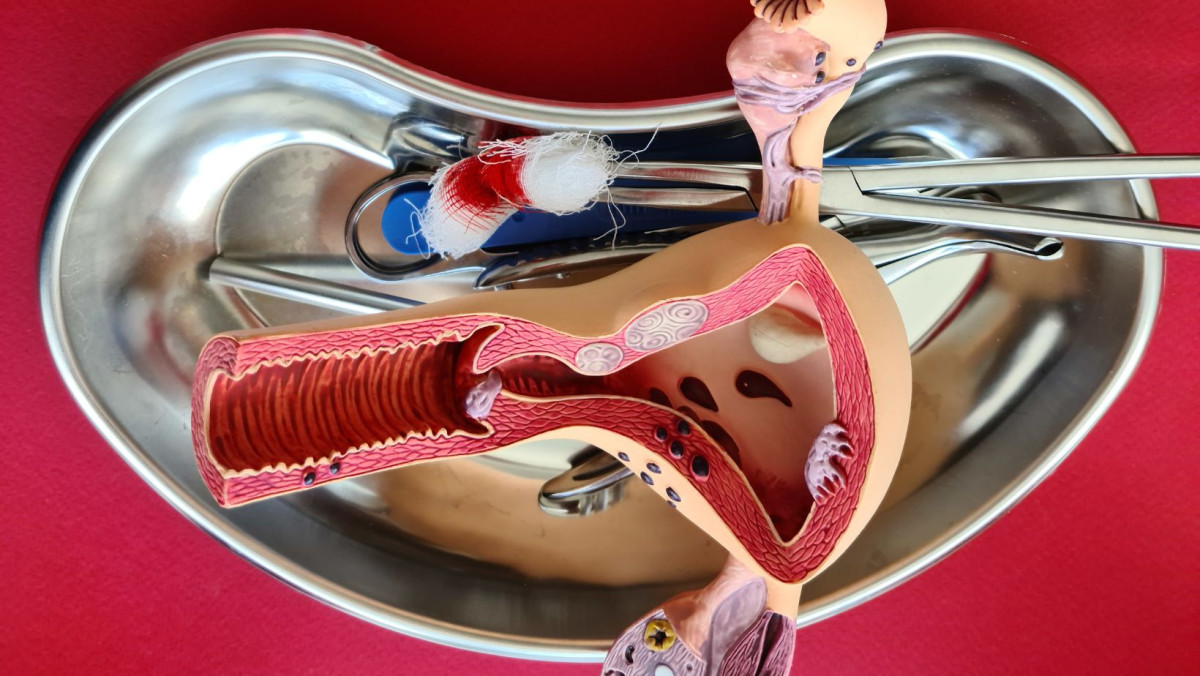
Hysterectomy and Oophorectomy
Hysterectomy and oophorectomy are considered a major step in female-to-male GAS. It has a psychological benefit since the female-specific organs are no longer in situ. It may also serve as a part of metoidioplasty and phalloplasty in the future. Moreover, hysterectomy or oophorectomy may be required in those with tumors and diseases related to the endometrium or ovaries or a family history of cancer in these organs.
In general, the surgery is performed by a gynecologist. Many different surgical techniques are used such as open abdominal surgery, laparoscopic surgery, or transvaginal hysterectomy and oophorectomy. If the patient also wants the reconstruction of male genitalia, metoidioplasty or phalloplasty can be done all at once. Alternatively, it can be performed separately by starting with hysterectomy and oophorectomy, followed by metoidioplasty or phalloplasty. Those who do not plan for metoidioplasty/phalloplasty but only want hysterectomy and oophorectomy must receive a thorough preoperative assessment and counseling and be cleared by two psychiatrists. This is because the surgery will affect the body’s hormonal system and result in permanent infertility.
Criteria for female-to-male GAS Hysterectomy and salpingo-oophorectomy
- Must have a diagnosis of gender dysphoria, certified by two psychiatrists.
- Aged 20 (Patients aged over 18 but less than 20 must also provide parental consent).
- Must have sufficient understanding of the surgery and competence to sign the consent.
- No comorbid conditions preventing surgery or anesthesia.
- Individuals with a concomitant psychiatric disorder must be treated until the symptoms are well controlled prior to surgical intervention.
- Must have taken masculinizing hormone therapy for at least 12 months (unless there are contraindications that prevent individuals from using hormonal therapy)
Refer: Gender Affirmation Surgery - The Thai Handbook of Transgender Healthcare Services, Center of Excellence in Transgender Health, Chulalongkorn University
Sources and further reading
Primary and authoritative sources used for context and fact-checking.
- Frequently asked questions on sexual and gender diversity, health and human rights World Health Organization (WHO)
- The Thai Handbook of Transgender Healthcare Services IHRI & Center of Excellence in Transgender Health, Chulalongkorn University
- Standards of Care for the Health of Transgender and Gender Diverse People, Version 8 World Professional Association for Transgender Health (WPATH)