

The Transgender Friends Network released a survey in 2018, finding that 21 LGBTQ people in Thailand were murdered simply because of hatred. They urged the government to issue policies to promote understanding and prevent violence against the LGBTQ group. Academics pointed out that creating understanding starts with the family.
On the occasion of Transgender Day of Remembrance on December 3, the Health Promotion Foundation (ThaiHealth), in collaboration with the Transgender Friends Network Foundation for Human Rights, the Service Workers' Friends Foundation (SWING), and the Faculty of Public Health, Thammasat University, organized a seminar on the topic of family, the starting point of the power of acceptance and breaking down hatred against transgender people and people with diverse sexualities.
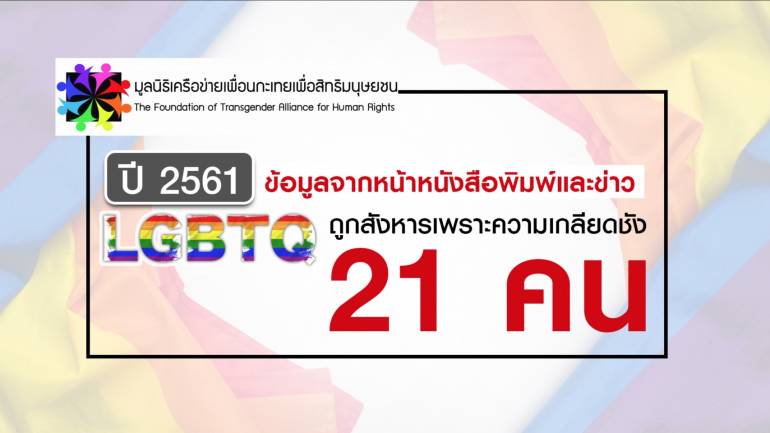
In 2018, 21 Thai LGBTQ people were killed.
Asst. Prof. Ronaphum Samakkhi-Kham, a lecturer at the Faculty of Public Health, Thammasat University, revealed the results of a survey report by the European Transgender Network, which collected data from 2008 to 2016. It was found that 2,264 LGBTQ people worldwide were killed because of hatred. But shockingly, in 2017 alone, there were 2,064 victims, or about 5 people per day.
In Thailand, the Transgender Network Foundation for Human Rights collected data from newspapers and news in 2018 and found that 21 LGBTQ people were killed. This may not seem like a lot compared to religiously strict countries, but it reflects that in a country that accepts diversity like Thailand, violence against LGBTQ people still occurs. This phenomenon is called a society that “accepts but does not associate with.”
From interviewing the sample group, more than half have a positive attitude towards LGBTQ people. However, acceptance and support will decrease when the LGBTQ people are students, people in the workplace, family members, or close acquaintances.
“Neighbors” affect acceptance of LGBTQ children
According to the Journal of Child and Adolescent Psychiatric Nursing (2010), LGBTQ children who are not accepted by their parents are 8 times more at risk of suicide than other children and 6 times more at risk of depression. It was found that deep down, parents know that their children are LGBTQ from the beginning, but they do not dare to ask or do not know how to behave. At the same time, children themselves are not sure whether their parents will accept them or not. The research also found that people who have a great influence on how families treat their children are people in the neighborhood or society.

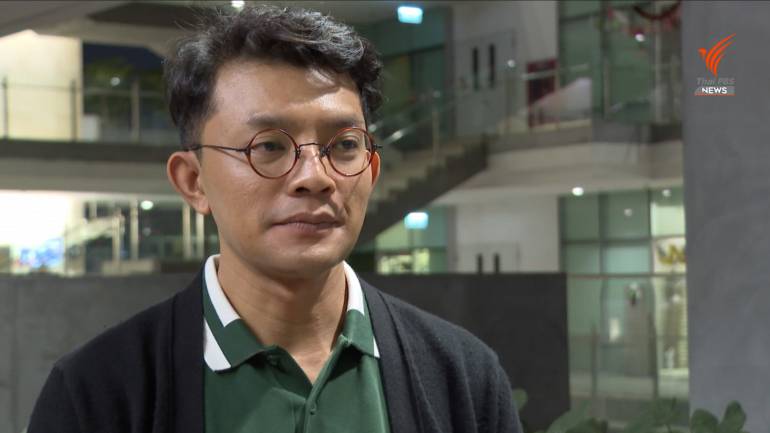
Kanit Piyaphaphakornkul, or Teng Nueng, an actor and artist who has revealed that he is a gender diverse person, shared his experience that his mother had to face questions all the time about whether his son was gay or not. Fortunately, his mother understood and had always known about his son's personality. However, she respected his son's decision until he was ready. Teng Nueng decided to tell his family at the age of 25.
Everyone may have different times when they are ready. Some people may know since they were young, while others may be ready when they are 40. That's not wrong. Do what makes you feel comfortable. Talk about it and make it beneficial and make you happy.
Mental problems that come with health problems
In addition to mental problems, if the family does not accept them, on the other hand, people with gender diversity are considered vulnerable and at risk of not having access to good health, such as secretly taking drugs or injecting drugs, or using hormones incorrectly to suppress male or female hormones, which results in long-term health problems. The way to reduce this problem is to receive support from family and friends, which will help reduce depression, increase self-esteem, and promote the well-being of specific population groups.
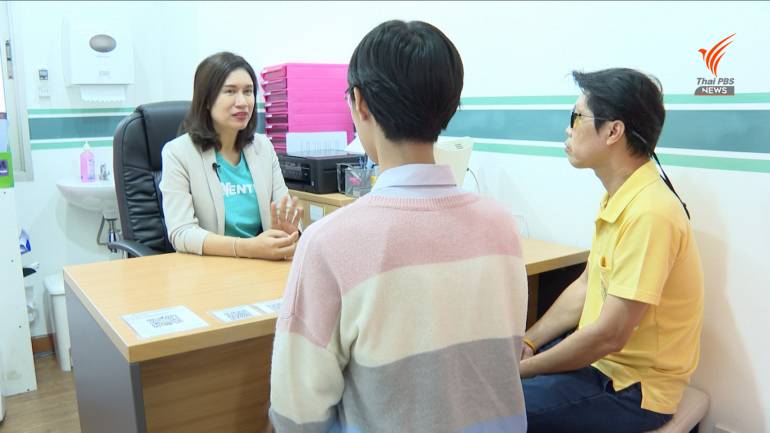
One of the agencies that supports the strengthening of family networks with gender diverse children is Gain knowledge and understanding. In this case, it is the Health Promotion Foundation (ThaiHealth), hoping to reduce tension and promote understanding within the family. They are in the process of organizing a forum to share experiences in caring for children with diverse genders in Bangkok and other provinces to create a set of manuals for caring for children with diverse genders, which will include advice on how to start giving advice and providing information about correct health. It is expected to be completed around April 2020.
5 proposals to push for a policy to protect LGBTQ
In addition, representatives from transgender people, people with diverse genders, families, networks, and civil society organizations have submitted proposals to the government to create a policy to protect people with diverse genders.
- Medical institutions must stop stating that transgender children and people with diverse genders are a condition of sexual deviation, mental illness, and physical modification. Plastic surgery is not treatment, but medical support because it is a basic right that should be received. And stating that transgender children and people with diverse genders are a condition of illness creates hatred and causes suffering to parents. In addition, there must be a medical service system that is friendly and understands transgender children and people with diverse genders in order to reduce the creation of gender bias.
- Educational institutions must provide opportunities for children to learn and grow in accordance with their gender identity. Do not create alienation for transgender children and people with diverse genders because it will lead to bullying, foster violence, and deepen hatred.
- Organizations working on child and family development must be gender sensitive and understand that working to create equality for transgender children and people with diverse genders is not about leading, but about making transgender children and people with diverse genders aware. To access equal rights and opportunities with other children, and other children in society, learning from experiences that lead to understanding and acceptance of transgender people and people with diverse genders, and breaking down deep-rooted hatred.
- The government and policymakers must see the policy gaps that lack information systems, knowledge, and service systems that support families with transgender and gender diverse children. This is to lead to access and development of children with good health for transgender and gender diverse children based on the consideration of the best interests of the child.
- The Thai government must support and push for laws to protect, recognize, and protect the human rights of transgender people in terms of gender recognition laws, title change laws, marriage registration laws, etc., to reduce the concerns of parents and guardians of children with diverse genders.
Cr. ThaiPBS
Sources and further reading
Primary and authoritative sources used for context and fact-checking.
- Frequently asked questions on sexual and gender diversity, health and human rights World Health Organization (WHO)
- The Thai Handbook of Transgender Healthcare Services IHRI & Center of Excellence in Transgender Health, Chulalongkorn University
- Standards of Care for the Health of Transgender and Gender Diverse People, Version 8 World Professional Association for Transgender Health (WPATH)
- Consolidated guidelines on HIV, viral hepatitis and STI for key populations (2022) World Health Organization (WHO)
- STI Treatment Guidelines: Transgender and Gender Diverse Persons U.S. Centers for Disease Control and Prevention (CDC)
- Legal Gender Recognition in Thailand: A Legal and Policy Review United Nations Development Programme (UNDP)
- The struggle of trans and gender-diverse persons United Nations Human Rights (OHCHR)