
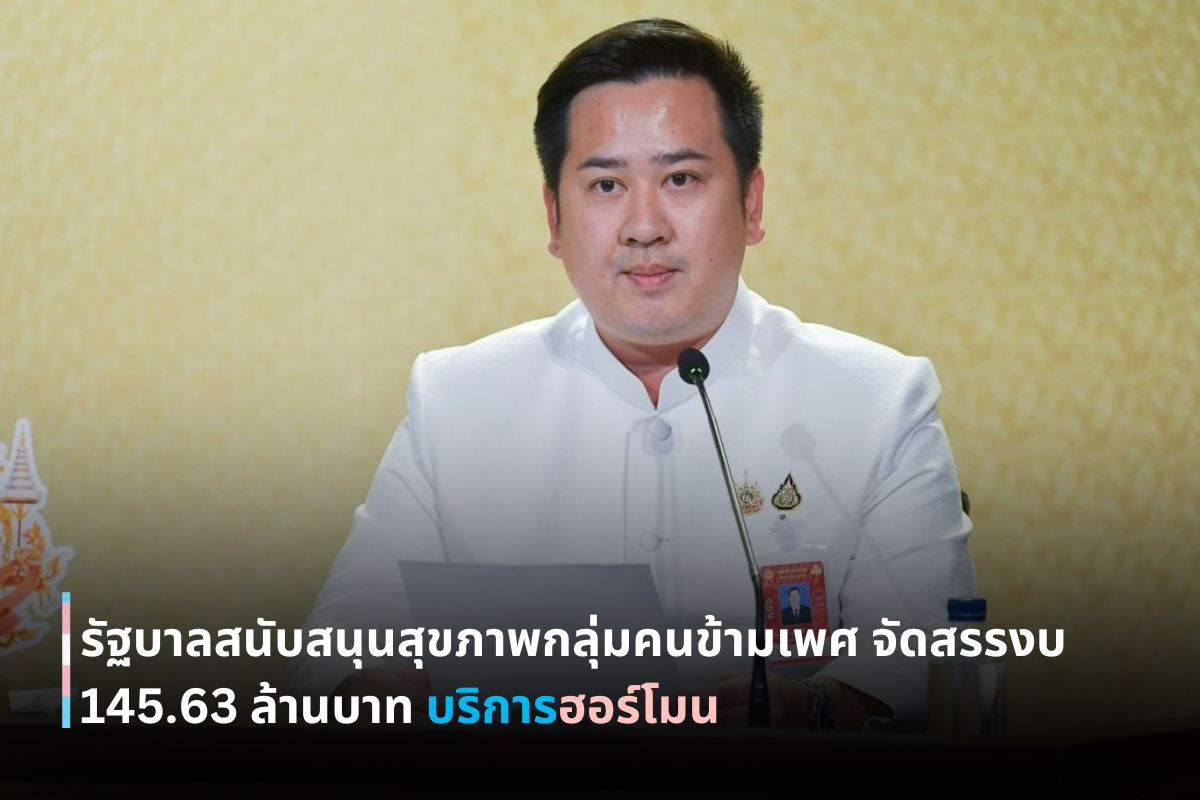
On January 25, 2025, Mr. Anukul Prueksanusak, Deputy Government Spokesperson, revealed the progress of health policies aimed at supporting social equality. The Ministry of Public Health has responded to the government's marriage equality policy, which not only emphasizes the physical health of the people but also covers mental health, especially for people with diverse genders, who are an important population group that still faces health inequality today.
Acceptance of gender diversity in Thai society
Mr. Anukul said that currently, Thai society has a greater understanding and openness to gender diversity, not limited to male or female, but also includes groups of people with different gender identities, such as transgender people, who have specific health care needs, both physically and mentally. One of the health needs of this group is hormone therapy to adjust the body to be in line with the mind, which is an important part of the treatment process that allows this group of people to live confidently and have a better quality of life.
However, in the past, access to hormone therapy has been limited because it requires personal expenses, making many people in this group unable to receive treatment. In some cases, they may choose to buy hormone therapy to use on their own without receiving advice from a doctor, resulting in serious health risks.
Budget allocation for health services for transgender people

From the above problems The National Health Security Board (NHSO Board) has therefore approved a budget allocation for 2025 of 145.63 million baht to support new benefits covering healthcare specifically for transgender people. This new benefit will be provided to a target group of 200,000 people, covering hormone therapy services, which play an important role in reducing inequality and increasing access to essential healthcare services.
Mr. Anukul said that this budget allocation will help transgender people safely access hormone therapy without having to pay additional costs, which will reduce the risk of using substandard drugs, and also promote mental health by helping service recipients feel confident in their bodies that match their gender identity.
Equal health rights for all
In addition to hormone therapy services, Mr. Anukul also emphasized that the national health security system also covers other medical and public health services equally for gender diverse people, just like the general population. These services include medical treatment, health promotion, disease prevention, and rehabilitation, which will help everyone have equal access to healthcare.
“The government and the Ministry of Public Health are committed to creating equal access to healthcare services for everyone, especially transgender people who are part of society and deserve appropriate care and support. “This policy drive is an important step towards reducing health inequalities and creating a more open and equal society,” said Mr. Anukul.
Moving towards an equal society
This support for health benefits for transgender people demonstrates the government’s determination to create an equal society that respects gender diversity, which will not only improve the quality of life of this group of people but also ensure that everyone receives equal care and protection of their rights in the country’s healthcare system.
Sources and further reading
Primary and authoritative sources used for context and fact-checking.
- Frequently asked questions on sexual and gender diversity, health and human rights World Health Organization (WHO)
- The Thai Handbook of Transgender Healthcare Services IHRI & Center of Excellence in Transgender Health, Chulalongkorn University
- Standards of Care for the Health of Transgender and Gender Diverse People, Version 8 World Professional Association for Transgender Health (WPATH)
- Consolidated guidelines on HIV, viral hepatitis and STI for key populations (2022) World Health Organization (WHO)
- STI Treatment Guidelines: Transgender and Gender Diverse Persons U.S. Centers for Disease Control and Prevention (CDC)
- Legal Gender Recognition in Thailand: A Legal and Policy Review United Nations Development Programme (UNDP)
- The struggle of trans and gender-diverse persons United Nations Human Rights (OHCHR)