
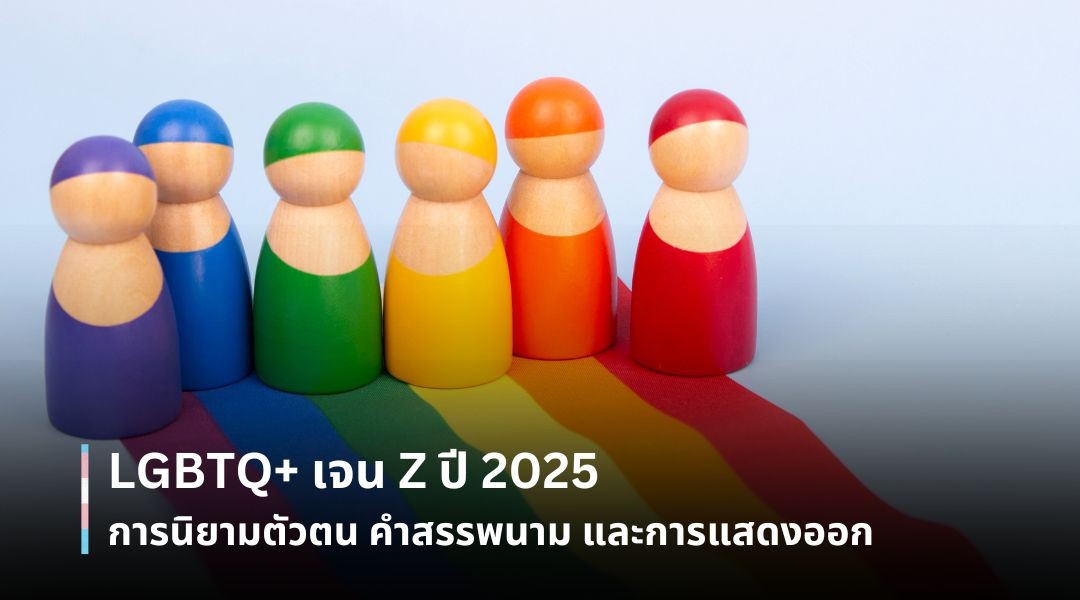
The world of 2025 is no longer the same. Generation Z—those born roughly between 1997 and 2012—has grown up with the internet, smartphones, and social media. They are now reshaping society’s understanding of gender, sexuality, and human rights. For LGBTQ+ Gen Z, identity is not just about coming out—it is about creating new definitions of what it means to exist authentically.
Surveys across many countries reveal that Gen Z is two to three times more likely to identify as LGBTQ+ compared to previous generations, and the number continues to rise, particularly in urban areas where digital culture and global awareness dominate.
Beyond Male and Female: Expanding the Spectrum of Identity
Unlike older generations that often saw gender as binary—male or female—Gen Z embraces the concept of spectrum identities. Terms such as non-binary, genderfluid, agender, and queer have become mainstream within their communities.
For many Gen Z youth, the question is no longer “Am I male or female?” but rather “How do I want to define myself today?” This fluidity demonstrates a deep cultural shift: being yourself matters more than conforming to labels.
This movement is not limited to Western nations. In Asia, including Thailand, more and more young people are using online platforms to explore, share, and affirm their identities, making the conversation around gender diversity increasingly visible.
Pronouns as a Declaration of Existence
Pronouns have become one of the most powerful symbols of identity for Gen Z. In English, they/them has emerged as a popular gender-neutral pronoun for individuals who do not identify strictly as he or she. Some communities even embrace alternatives such as ze/hir.
In Thailand, where the language does not strictly differentiate he/she, Gen Z has innovated their own ways:
- Using neutral self-references like “rao–kao” (we–they) instead of gendered pronouns.
- Inventing new terms in online communities to represent non-binary identities.
- Advocating for inclusive language in media, education, and workplaces.
Pronouns, once seen as a mere grammatical choice, now serve as a political and cultural statement—an assertion that “this is who I am.”
Expression: Fashion, Art, and the Power of Social Media
For LGBTQ+ Gen Z, self-expression is activism. It extends beyond fashion into digital content, art, music, and community movements.
- Fashion: Genderless clothing, unisex styles, and fluid makeup are now embraced widely. Global brands are compelled to adapt, running campaigns that highlight LGBTQ+ inclusivity to resonate with Gen Z consumers.
- Art and Music: Gen Z artists—both in Thailand and worldwide—use their work to talk about identity, politics, and love outside of traditional gender norms.
- Social Media: Platforms like TikTok, Instagram, and Twitter/X have become stages where young people document hormone transitions, share personal journeys, and build vast online communities that support each other.
Expression for Gen Z is not only personal—it is cultural influence.
Pride and Politics: A Generation in Action
Pride events are no longer just colorful parades or fashion showcases. For Gen Z, they are political spaces and platforms for activism. In 2025, Pride celebrations are expanding beyond capital cities like Bangkok to second-tier cities such as Chiang Mai, Phuket, and Khon Kaen.
Gen Z is also a driving force in advocacy for:
- Marriage equality, which is currently under debate in the Thai Parliament.
- Legal gender recognition for transgender and non-binary people, particularly trans women, who still face legal barriers.
- Campaigns against discrimination in schools and workplaces, calling for fair treatment and inclusive policies.
Their activism proves that Gen Z is not only shaping culture but also influencing policy.
The Challenges That Remain
Despite their boldness, Gen Z LGBTQ+ individuals face ongoing challenges:
- Family pressure: Many still struggle with acceptance from parents and relatives bound by traditional values.
- Education system: Bullying remains common in schools, while curricula rarely address gender diversity.
- Employment discrimination: Trans women and non-binary individuals, in particular, often find their career opportunities limited due to mismatched legal documents or workplace bias.
These obstacles highlight the gap between Gen Z’s progressive mindset and the slower pace of societal institutions.
A Global Perspective: Gen Z as Cultural Pioneers
- In the United States, research from Pew shows that nearly 25% of Gen Z identify as LGBTQ+.
- In Europe, legal reforms on gender recognition are increasingly driven by pressure from younger citizens.
- In Southeast Asia, youth activism—including in Thailand—is pressuring governments to modernize laws on equality and gender rights.
Gen Z is shaping not only their own countries but also influencing global conversations on LGBTQ+ inclusion.
2025: A Turning Point for Society
The year 2025 marks more than a celebration of diversity—it is a cultural shift where society must face reality: LGBTQ+ Gen Z is not a minority hidden in the shadows but a powerful demographic shaping the future.
From choosing pronouns to leading Pride marches, every act of self-expression sends a clear message: “We exist. We deserve equal respect.”
LGBTQ+ Gen Z in 2025 is more than just a new generation—they are architects of a new social framework. By redefining gender, embracing inclusive pronouns, and expressing themselves without limits, they are challenging institutions and pushing for equality.
The journey is far from easy, but their courage and creativity are undeniable forces. What was once considered “personal identity” has now become a public issue that determines the direction of Thai and global society in this decade.
Sources and further reading
Primary and authoritative sources used for context and fact-checking.
- Frequently asked questions on sexual and gender diversity, health and human rights World Health Organization (WHO)
- The Thai Handbook of Transgender Healthcare Services IHRI & Center of Excellence in Transgender Health, Chulalongkorn University
- Standards of Care for the Health of Transgender and Gender Diverse People, Version 8 World Professional Association for Transgender Health (WPATH)
- Consolidated guidelines on HIV, viral hepatitis and STI for key populations (2022) World Health Organization (WHO)
- STI Treatment Guidelines: Transgender and Gender Diverse Persons U.S. Centers for Disease Control and Prevention (CDC)
- Legal Gender Recognition in Thailand: A Legal and Policy Review United Nations Development Programme (UNDP)
- The struggle of trans and gender-diverse persons United Nations Human Rights (OHCHR)