
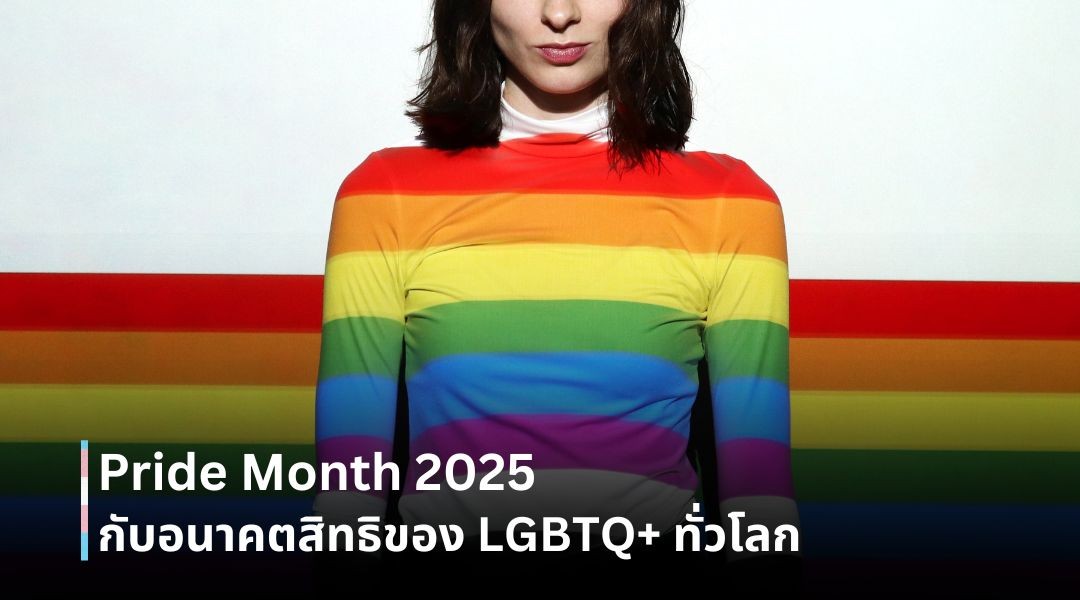
Every June, people around the world come together to celebrate Pride Month—not merely as a festival of color and joy, but as a powerful symbol of the ongoing struggle for equality and dignity for LGBTQ+ individuals. In 2025, the global situation surrounding LGBTQ+ rights remains dynamic. While some countries have made remarkable progress, others are experiencing concerning setbacks that demand international attention.
Developments in the United States and Europe
The United States was among the first countries to legalize same-sex marriage back in 2015. However, in 2025, signs of regression are increasingly evident. In several conservative-leaning states, policies have been introduced to ban the display of Pride flags in public spaces and restrict transgender students’ rights to use bathrooms or participate in school sports according to their gender identity. These developments reflect a growing conservative wave that, following recent political shifts, has undermined the sense of safety and acceptance for many LGBTQ+ individuals in various communities (Source: Human Rights Campaign, 2025).
In Europe, the picture is more varied. Some countries are leading the way, while others are moving backward.
- Greece passed a same-sex marriage law in early 2024, and in May 2025, its Supreme Court affirmed the right of same-sex couples to adopt children, marking a significant step forward for LGBTQ+ rights in the Orthodox Christian world (Source: The Guardian, 2025).
- Hungary, by contrast, has enacted strict controls over LGBTQ+ events, including the use of facial recognition technology to monitor Pride participants. Despite national restrictions, the city of Budapest bypassed the federal ban by organizing its own Pride celebration, highlighting the resolve of local governments to defend civil liberties (Source: Reuters, 2025).
- Scandinavian countries continue to uphold some of the most advanced protections for LGBTQ+ individuals globally, maintaining high standards of equality and inclusive welfare policies.
Pride 2025 Around the World: Marching Onward
Despite pressures from governments and anti-LGBTQ+ groups, Pride events around the world continue to take place with increased visibility and impact. This year, Washington, D.C. hosted WorldPride 2025. Although attendance fell short of early expectations—dropping from an estimated 3 million to approximately 1 million—the spirit of unity and celebration remained strong (Source: The Daily Beast, 2025).
Other notable Pride events included:
- Budapest Pride, officially supported by the city’s mayor, was held in defiance of national government restrictions. This action emphasized the resilience of LGBTQ+ communities and their allies in Eastern Europe (Source: Reuters, 2025).
- San Francisco Pride adopted the theme “Queer Joy Is Resistance”, bringing together over 200 local and national LGBTQ+ organizations. The message was clear: joy itself is a radical act in the face of oppression (Source: San Francisco Chronicle, 2025).
- Bucharest Pride marked its 20th anniversary while navigating rising tensions from far-right groups opposing LGBTQ+ rights. The event was a testament to two decades of endurance and growing visibility.
These celebrations serve not only as festivals but as powerful declarations that LGBTQ+ rights cannot and will not be silenced.
The Role of Advocacy Organizations and Corporations in 2025
The Human Rights Campaign (HRC), the largest LGBTQ+ civil rights organization in the United States, reported in May that its membership had grown to a record-breaking 3.6 million people. In response to rising anti-LGBTQ+ sentiment, HRC launched the campaign “These Colors Don’t Run”, emphasizing the unwavering commitment of the community to resist hatred and uphold dignity (Source: HRC.org, 2025).
On the other hand, several major global brands—including Starbucks, PepsiCo, and Target—have scaled back their support for Pride events. Their reasoning includes:
- Increasing pressure from conservative interest groups
- Legal uncertainty in some markets
- Risk of alienating core customer bases
This retreat has shifted the burden of Pride sponsorships toward grassroots organizations and local supporters. While this may challenge the scale of some events, it has also reaffirmed the power of community-led activism.
Thailand on the Global Stage: A Step Forward, But Not Yet Complete
Thailand emerged as a key player in 2025 following its landmark decision to legalize same-sex marriage on January 23. As the first Southeast Asian nation to take such a step, this development has been hailed globally as a significant milestone in the region's human rights history (Source: Bangkok Post, 2025). Consequently, Pride Month 2025 in Bangkok and Chiang Mai was celebrated with massive parades and events, drawing tens of thousands of participants.
Nevertheless, significant gaps remain. Thailand still lacks comprehensive legal protections for gender-diverse individuals:
- Conversion therapy remains legal in some clinics and has not been formally banned.
- Non-binary and intersex identities are not legally recognized in official documents.
- Access to gender-affirming healthcare, including hormone therapy and mental health services for transgender individuals, remains limited and underfunded.
Another growing concern is the potential impact of shifting political climates in donor countries such as the U.S. and European nations. Changes in foreign policy or reductions in international aid could jeopardize vital funding for Thai civil society organizations working on HIV prevention, sexual health services, and LGBTQ+ community support programs (Source: UNDP Thailand, 2024).
Pride Month 2025: The Journey Continues
Despite progress in various parts of the world, Pride Month 2025 highlights the stark reality that equality has yet to be fully achieved. Efforts to roll back rights, suppress visibility, and incite hatred persist. In this context, Pride is more than just a celebration—it is an act of defiance, a cry for justice, and a reminder that LGBTQ+ individuals are entitled to live with dignity, safety, and love.
The fight is far from over. As the rainbow flags fly high this month, let them also be a call to action: to advocate, to protect, and to ensure that Pride becomes not just a symbol—but a promise kept.
References
Human Rights Campaign. (2025). Annual Equality Report 2025. Retrieved from www.hrc.org
Reuters. (2025, June 16). Budapest mayor says city will organise Pride, bypassing Orban. Retrieved from www.reuters.com
The Daily Beast. (2025, June 15). World Pride Attendance Plummets as Trump’s Shadow Looms. Retrieved from www.thedailybeast.com
The Guardian. (2025). Greece grants full adoption rights to same-sex couples. Retrieved from www.theguardian.com
San Francisco Chronicle. (2025). Pride Parade 2025: Queer Joy Is Resistance. Retrieved from www.sfchronicle.com
Bangkok Post. (2025, January). Thailand Passes Same-Sex Marriage Law. Retrieved from www.bangkokpost.com
UNDP Thailand. (2024). Legal Gender Recognition in Thailand. Retrieved from www.th.undp.org
Forbes. (2025). Corporate Rainbow Retreat: Pride Support in Decline. Retrieved from www.forbes.com
Sources and further reading
Primary and authoritative sources used for context and fact-checking.
- Frequently asked questions on sexual and gender diversity, health and human rights World Health Organization (WHO)
- The Thai Handbook of Transgender Healthcare Services IHRI & Center of Excellence in Transgender Health, Chulalongkorn University
- Standards of Care for the Health of Transgender and Gender Diverse People, Version 8 World Professional Association for Transgender Health (WPATH)
- Consolidated guidelines on HIV, viral hepatitis and STI for key populations (2022) World Health Organization (WHO)
- STI Treatment Guidelines: Transgender and Gender Diverse Persons U.S. Centers for Disease Control and Prevention (CDC)
- Legal Gender Recognition in Thailand: A Legal and Policy Review United Nations Development Programme (UNDP)
- The struggle of trans and gender-diverse persons United Nations Human Rights (OHCHR)